
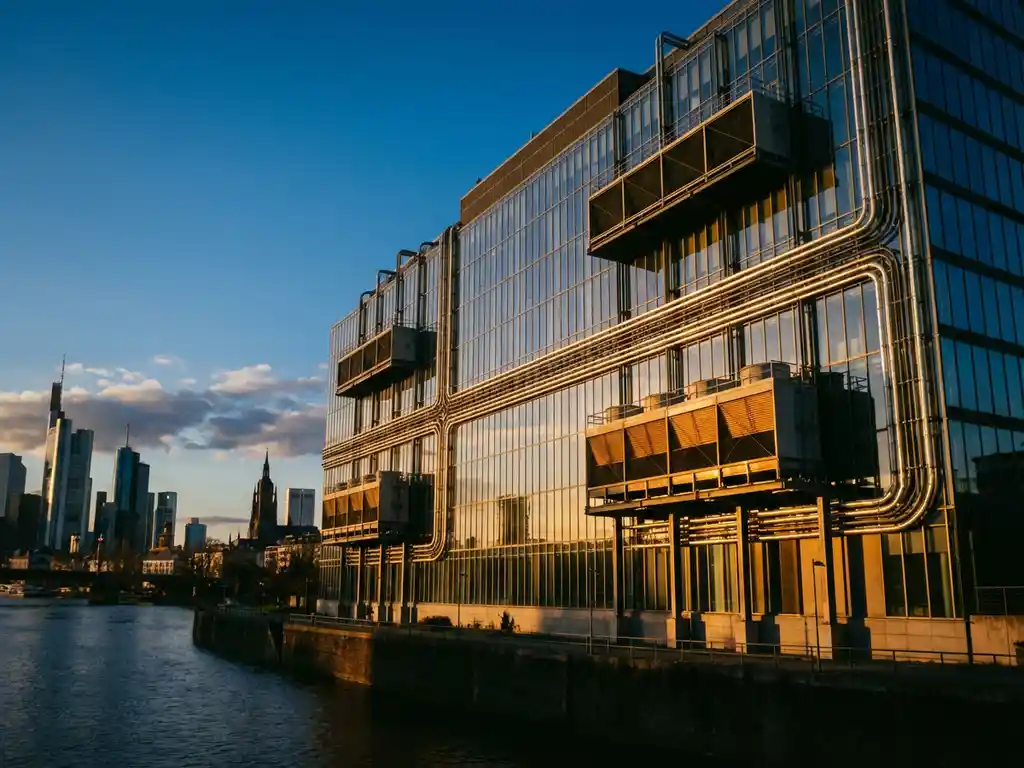
Frankfurt hat sich zum dichtesten Rechenzentrumsstandort Europas entwickelt – mit einer außergewöhnlichen Konzentration an Einrichtungen, die Unternehmen auf dem gesamten Kontinent und darüber hinaus bedienen. Diese Konzentration ist kein Zufall, sondern das Ergebnis strategischer geografischer, technologischer und wirtschaftlicher Faktoren, die die Stadt für digitale Infrastruktur einzigartig positionieren.
Wer versteht, warum Frankfurt so viele Rechenzentrum-Investitionen anzieht, erkennt das komplexe Zusammenspiel aus Konnektivität, Lage und wirtschaftlichen Vorteilen, das moderne Entscheidungen zur digitalen Infrastruktur bestimmt. Für Unternehmen, die Rechenzentrum Frankfurt Neubau Projekte in Betracht ziehen, erklären diese Faktoren die anhaltende Attraktivität der Stadt.
Was macht Frankfurt zum führenden Rechenzentrumsstandort Europas?
Frankfurts Stellung als führender Rechenzentrumsstandort Europas ergibt sich aus seiner Rolle als Finanzhauptstadt des Kontinents, seiner zentraleuropäischen Lage und der Tatsache, dass hier DE-CIX – der weltgrößte Internetknoten – beheimatet ist. Die Stadt verbindet eine außergewöhnliche Konnektivitätsinfrastruktur mit politischer Stabilität und einem robusten Rechtsrahmen.
Die Konzentration internationaler Banken und Finanzinstitute in Frankfurt schuf früh eine starke Nachfrage nach zuverlässiger, leistungsstarker Dateninfrastruktur. Mit zunehmender digitaler Transformation weitete sich diese Basis auf Unternehmen aller Branchen aus. Frankfurts Rechenzentren verarbeiten heute enorme Mengen europäischen Internetverkehrs – über 900 Netzwerke sind über lokale Internetknoten miteinander verbunden.
Die infrastrukturellen Vorteile der Stadt gehen weit über die Konnektivität hinaus. Frankfurt bietet zuverlässige Stromnetze, moderne Telekommunikationsnetze und eine günstige Lage in der Nähe großer Bevölkerungszentren in Deutschland und Europa. Diese Faktoren erzeugen einen sich selbst verstärkenden Kreislauf, bei dem neue Rechenzentren von der bestehenden Infrastruktur profitieren und gleichzeitig zur Stärke des Gesamtökosystems beitragen.
Warum wählen Unternehmen Frankfurt für ihre Rechenzentrumsbedürfnisse?
Unternehmen entscheiden sich für Frankfurt als Rechenzentrumsstandort, weil die Stadt eine optimale Kombination aus niedrigen Latenzzeiten für europäische Märkte, Konformität mit deutschen Datenschutzgesetzen und umfangreichen Carrier-Konnektivitätsoptionen bietet. Die zentrale Lage ermöglicht einstellige Millisekunden-Latenzzeiten in die wichtigsten europäischen Städte.
Regulatorische Vorteile spielen bei Unternehmensentscheidungen eine entscheidende Rolle. Deutschlands strenge Datenschutzvorschriften – einschließlich der DSGVO-Anforderungen – bieten Unternehmen den rechtlichen Rahmen, der für die Verarbeitung sensibler europäischer Daten erforderlich ist. Dieses regulatorische Umfeld in Kombination mit der politischen Stabilität des Landes schafft verlässliche Betriebsbedingungen, die multinationale Konzerne benötigen.
Auch wirtschaftliche Gesichtspunkte sprechen für Frankfurt. Obwohl es nicht der günstigste europäische Standort ist, bietet Frankfurt ein ausgezeichnetes Preis-Leistungs-Verhältnis, wenn man die Gesamtkosten für Konnektivität, Energie und Betriebseffizienz berücksichtigt. Der wettbewerbsintensive Carrier-Markt hält die Bandbreitenkosten in einem vernünftigen Rahmen und bietet gleichzeitig vielfältige Routing-Optionen für die globale Vernetzung.
Wie beeinflusst DE-CIX die Rechenzentrumskonzentration in Frankfurt?
DE-CIX, der weltweit größte Internetknoten gemessen an den angeschlossenen Netzwerken, ist der wichtigste Katalysator für Frankfurts Rechenzentrumskonzentration. Als neutraler Treffpunkt, an dem sich mehr als 900 Netzwerke zusammenschalten, erzeugt er einen starken Netzwerkeffekt, der weitere Rechenzentren und Dienstleister in die Region zieht.
Die Präsenz von DE-CIX reduziert Latenzzeiten und verbessert die Performance für Unternehmen, die in Frankfurter Rechenzentren tätig sind. Über einen einzigen Verbindungspunkt können mehrere Netzwerke und Cloud-Anbieter erreicht werden, ohne dass kostspielige Direktverbindungen zu jedem einzelnen Anbieter erforderlich sind. Diese Effizienz führt zu erheblichen Kosteneinsparungen und einer verbesserten Leistung.
Der Einfluss von DE-CIX geht über einfache Konnektivität hinaus. Der Internetknoten schafft ein Ökosystem, in dem Content Delivery Networks, Cloud-Anbieter und Unternehmensnetzwerke ganz natürlich zusammenkommen. Dieser Konzentrationseffekt bedeutet, dass neue Rechenzentrumsentwicklungen in Frankfurt automatisch von diesem reichhaltigen Konnektivitätsökosystem profitieren.
Welche Vorteile bietet die Lage Frankfurts für Rechenzentren?
Frankfurts geografische Lage in Zentraleuropa verschafft Rechenzentren optimalen Zugang zu den größten Märkten des Kontinents innerhalb von 500 Kilometern – darunter wichtige Bevölkerungszentren in Deutschland, Frankreich, den Niederlanden und der Schweiz. Diese Positionierung ermöglicht latenzarme Dienste im wirtschaftlichen Kernraum Europas.
Die Verkehrsinfrastruktur der Stadt unterstützt den Rechenzentrumsbetrieb durch hervorragende Luft-, Schienen- und Straßenverbindungen. Der Frankfurter Flughafen, einer der größten Frachtdrehkreuze der Welt, ermöglicht eine schnelle Lieferung von Ausrüstung und den Einsatz technischer Unterstützung. Dieser logistische Vorteil senkt die Betriebskosten und verbessert die Zuverlässigkeit der Dienste für Rechenzentrumsbetreiber.
Auch klimatische Faktoren sprechen für den Standort Frankfurt. Das gemäßigte kontinentale Klima senkt die Kühlkosten im Vergleich zu wärmeren europäischen Städten, während extreme Wetterbedingungen, die den Rechenzentrumsbetrieb gefährden könnten, weitgehend ausbleiben. Die stabilen geologischen Verhältnisse der Region minimieren zudem Risiken durch Naturkatastrophen.
Wie unterstützen Frankfurter Rechenzentren die Cloud-Konnektivität?
Frankfurter Rechenzentren unterstützen die Cloud-Konnektivität, indem sie als primärer europäischer Knotenpunkt für die führenden Cloud-Anbieter fungieren – darunter Amazon Web Services, Microsoft Azure und Google Cloud Platform. Die Stadt beherbergt mehrere Verfügbarkeitszonen und Edge-Standorte, die einen latenzarmen Cloud-Zugang in ganz Europa ermöglichen.
Die Cloud-Konnektivität profitiert von Frankfurts umfangreicher Glasfaserinfrastruktur und den vielfältigen Routing-Optionen. Mehrere Unterseekabel enden in der Nähe und bieten redundante internationale Verbindungswege. Diese Infrastrukturdiversität gewährleistet einen zuverlässigen Cloud-Zugang auch bei Netzwerkstörungen oder Wartungsarbeiten.
Die Konzentration von Cloud-Anbietern in Frankfurt schafft einen wettbewerbsintensiven Markt, von dem Unternehmenskunden profitieren. Unternehmen können problemlos Multi-Cloud-Strategien umsetzen, günstige Preise aushandeln und die Flexibilität bei der Anbieterwahl wahren – und das alles von einem einzigen Standort aus. Diese Flexibilität unterstützt komplexe Hybrid-Cloud-Architekturen, die viele moderne Unternehmen benötigen.
Wie unterstützt Telehouse das Rechenzentrumsökosystem in Frankfurt?
Wir bieten umfassende Colocation-Dienste, die die einzigartigen Vorteile Frankfurts nutzen – durch unsere strategische Lage und die direkte Anbindung an DE-CIX. Unsere Einrichtung bietet Unternehmen die Infrastruktur, die sie benötigen, um Frankfurts Position als digitales Herzstück Europas optimal zu nutzen.
Unsere Colocation-Dienste umfassen:
- Einzelne Racks in gesicherten, videoüberwachten Serverräumen mit flexiblen Erweiterungsmöglichkeiten
- Dedizierte Colocation-Bereiche – von Cages bis hin zu ganzen Etagen – individuell auf spezifische Anforderungen zugeschnitten
- Direkter Zugang zu mehr als 400 Carriern und Cloud-Anbietern über unsere DE-CIX-Anbindung
- 24/7-Remote-Hands-Support durch unser vor Ort ansässiges Network Operations Center
- 100 % Nutzung erneuerbarer Energien im Einklang mit nachhaltigen Geschäftspraktiken
Als Teil des globalen KDDI Corporation-Netzwerks mit mehr als 40 Rechenzentren weltweit verbinden wir lokales Know-how mit internationaler Reichweite. Kontaktieren Sie uns, um zu erfahren, wie unser Frankfurter Standort Ihre europäische Expansion und Ihre Anforderungen an die digitale Infrastruktur unterstützen kann.